Understanding the Latest Trends in Auto Electrical Technology


Introduction to Auto Electrical Technology
The automotive industry is rapidly evolving, driven by advancements in technology that are transforming the way vehicles operate. At the forefront of this evolution is auto electrical technology, which is enhancing vehicle performance, safety, and efficiency. Understanding these trends is crucial for anyone involved in the automotive sector, from manufacturers to consumers.
Auto electrical technology encompasses a wide range of components and systems, including battery management, electric drivetrains, and advanced driver-assistance systems (ADAS). These innovations are paving the way for smarter, more connected vehicles.

Electric Vehicles and Battery Technology
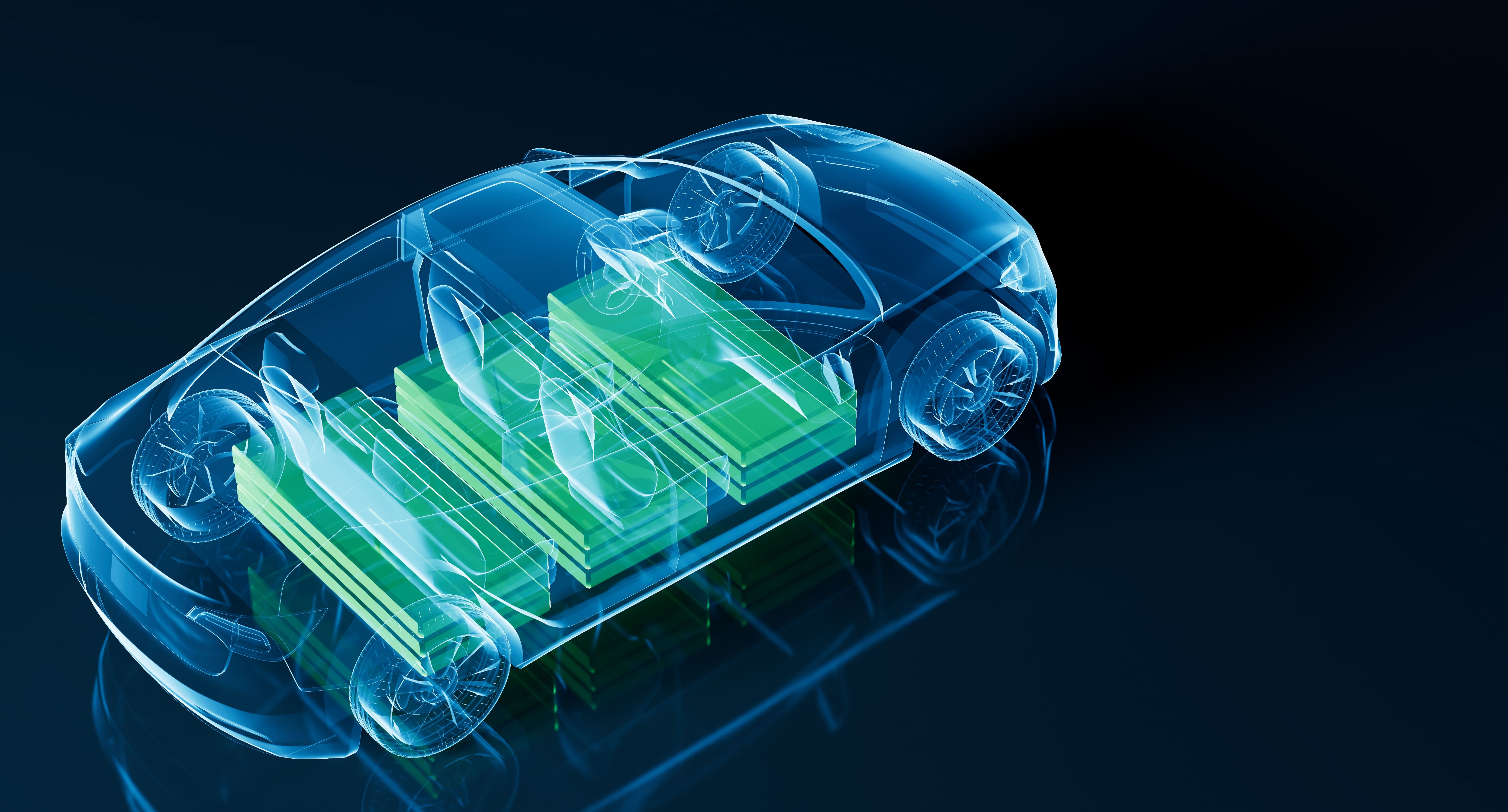
One of the most significant trends in auto electrical technology is the rise of electric vehicles (EVs). As environmental concerns and regulatory pressures mount, manufacturers are investing heavily in EV technology. This shift is largely powered by advancements in battery technology, which are making EVs more affordable and accessible.
Modern batteries are not only more efficient but also have a longer lifespan. Innovations like solid-state batteries are set to revolutionize the industry by offering higher energy density and faster charging times. These improvements are critical for increasing the range and usability of electric vehicles.
Battery Management Systems
Battery management systems (BMS) play a crucial role in maintaining the health and efficiency of electric vehicle batteries. A BMS monitors the state of the battery, ensuring optimal performance and preventing issues such as overheating or overcharging. This technology is essential for maximizing the lifespan of batteries and enhancing the overall reliability of electric vehicles.
Advanced Driver-Assistance Systems (ADAS)
Another key trend in auto electrical technology is the development of advanced driver-assistance systems (ADAS). These systems are designed to improve vehicle safety by assisting drivers with tasks such as parking, lane-keeping, and collision avoidance.
ADAS relies on a combination of sensors, cameras, and artificial intelligence to provide real-time feedback and alerts to drivers. As technology advances, these systems are becoming more sophisticated, offering features like adaptive cruise control and automated emergency braking.
The Role of AI and Machine Learning
Artificial intelligence and machine learning are integral to the functionality of ADAS. By analyzing vast amounts of data, these technologies enable vehicles to learn from their environment and make informed decisions. This capability is crucial for the development of autonomous vehicles, which represent the future of transportation.

Connectivity and Infotainment
Connectivity is another trend shaping the future of auto electrical technology. Modern vehicles are equipped with infotainment systems that offer seamless integration with smartphones, navigation, and internet services. This connectivity enhances the driving experience by providing drivers and passengers with access to a wealth of information and entertainment options.
The integration of 5G technology is set to further enhance vehicle connectivity, enabling faster data transmission and more reliable communication. This advancement will support the development of connected car ecosystems, where vehicles can communicate with each other and with infrastructure to improve traffic flow and safety.
Conclusion
Understanding the latest trends in auto electrical technology is essential for staying competitive in the automotive industry. From electric vehicles to advanced driver-assistance systems, these innovations are redefining what vehicles can do. As technology continues to advance, we can expect even more exciting developments that will shape the future of transportation.