Smart Car Diagnostics: How Advanced Tech Solves Electrical Issues


Understanding Smart Car Diagnostics
As vehicles become increasingly sophisticated, so do the methods for diagnosing their issues. Smart car diagnostics represent a significant advancement in the automotive industry, leveraging cutting-edge technology to rapidly identify and resolve electrical problems. This evolution not only enhances the efficiency of repairs but also improves the overall driving experience.
The Role of Advanced Technology
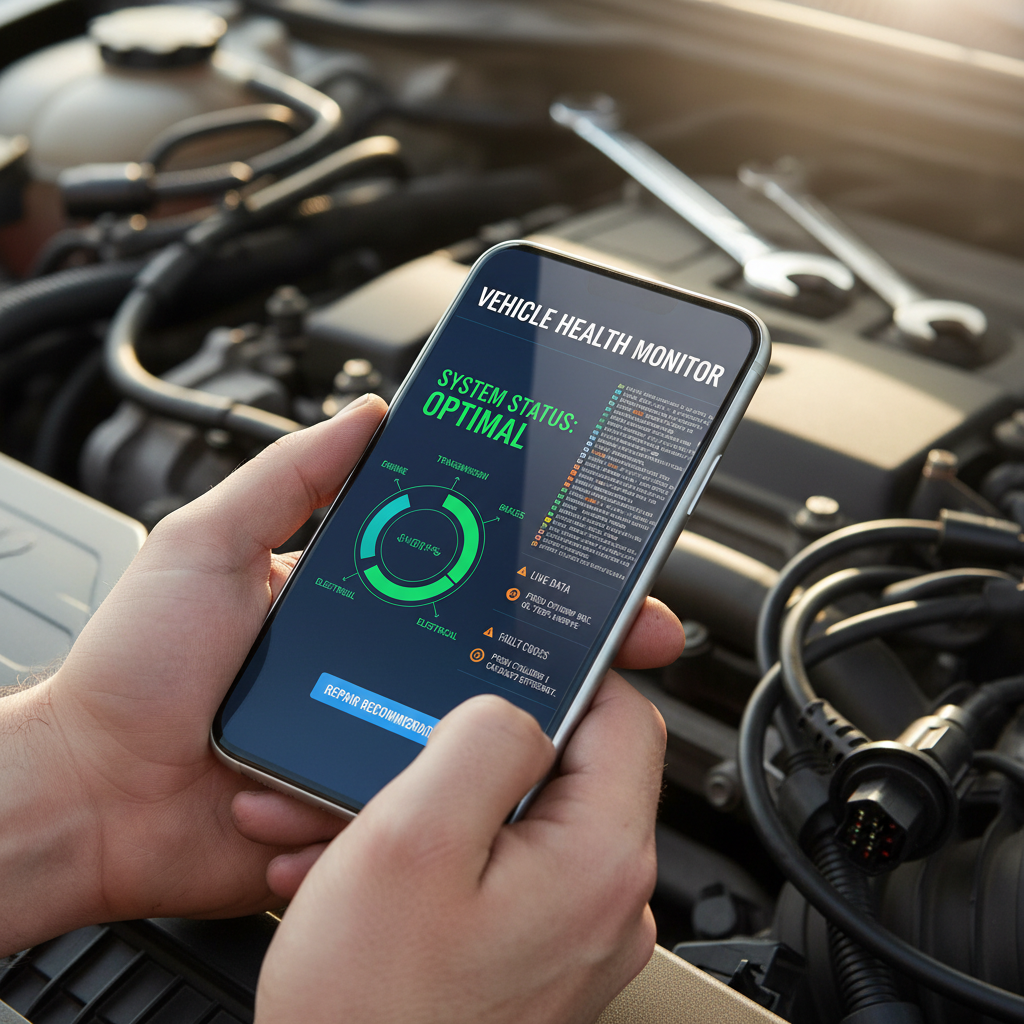
Today's vehicles are equipped with complex electronic systems that control everything from engine performance to in-car entertainment. Advanced diagnostic tools can communicate with these systems to pinpoint malfunctions. By using real-time data analysis, these tools can identify issues that might not be immediately apparent to the human eye.
Technicians utilize specialized software that interfaces with a car’s onboard computer. This software provides detailed insights, allowing for precise troubleshooting. As a result, electrical issues that once required extensive manual investigation can now be diagnosed swiftly and accurately.
Benefits of Smart Diagnostics
One of the primary benefits of smart diagnostics is the reduction in repair time. By quickly identifying the root cause of an issue, mechanics can address problems more efficiently, leading to faster turnaround times for vehicle owners.
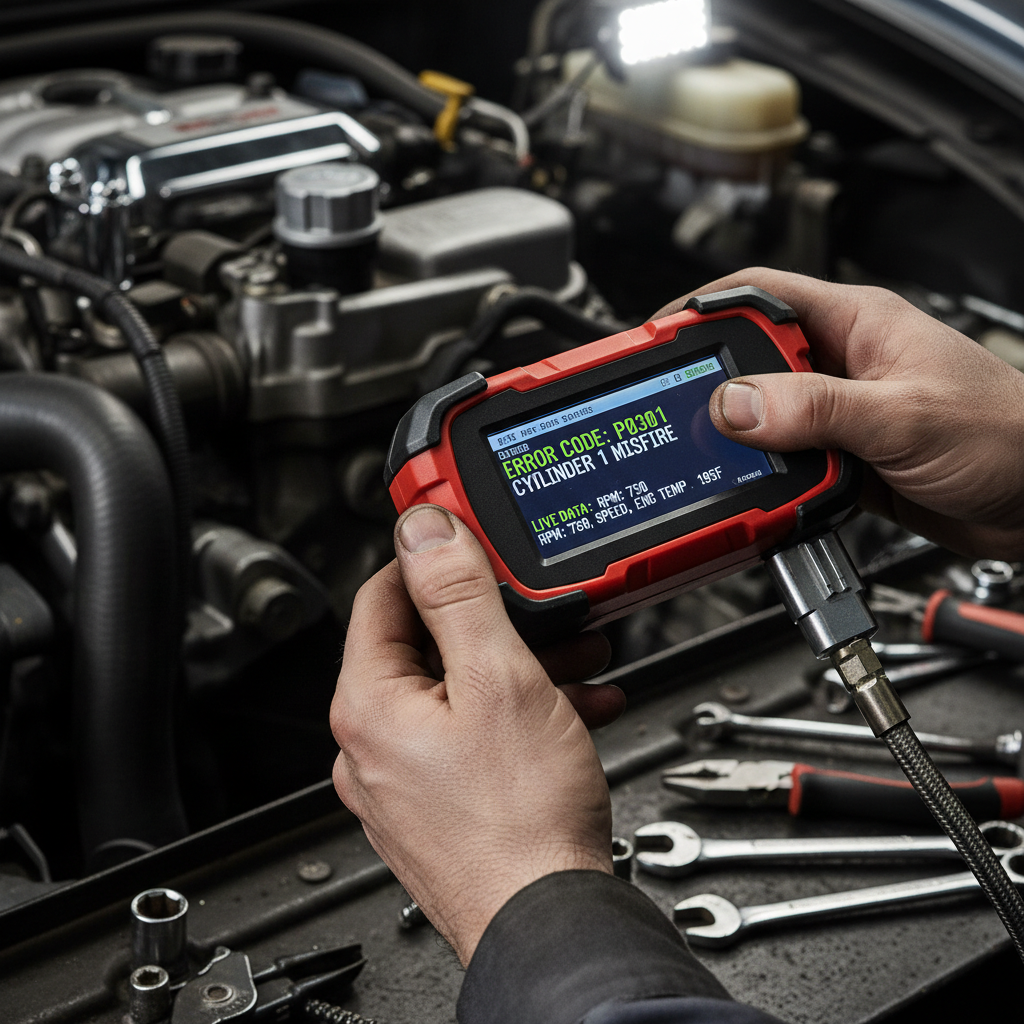
Another advantage is the accuracy of these diagnostic tools. Traditional methods often relied on trial and error, which could lead to unnecessary repairs. Modern diagnostics eliminate much of this guesswork, ensuring that only the necessary repairs are performed, saving both time and money for the consumer.
How It Works
Smart diagnostics work by connecting a diagnostic tool to the vehicle's OBD-II (On-Board Diagnostics) port. This connection allows the tool to read error codes generated by the vehicle's computer system. These codes provide information about the specific issue, whether it's a faulty sensor or a more complex electrical problem.
- Plug the diagnostic tool into the OBD-II port.
- Run a scan to retrieve error codes.
- Analyze the codes with specialized software.
- Perform the necessary repairs based on the findings.
The Future of Diagnostics
As technology continues to evolve, so will the capabilities of smart car diagnostics. Future advancements may include even more precise detection of issues and the integration of artificial intelligence to predict potential failures before they occur.
These innovations will further reduce downtime and enhance the reliability of vehicles, providing peace of mind for drivers. The ongoing development in this field is a testament to the automotive industry’s commitment to leveraging technology for safer, more efficient transportation.