How to Prepare Your Car’s Electrical System for Winter in Bristol


Understanding Your Car’s Electrical System
As winter approaches in Bristol, it's crucial to ensure your car's electrical system is in top condition. The electrical system is the backbone of your vehicle's functionality, powering everything from the ignition to the lights. Understanding its components and how they interact can help you prepare for the colder months.
Key components include the battery, alternator, and starter motor. Each plays a vital role in ensuring your car runs smoothly, especially in winter when temperatures drop and demands on the system increase.
Check and Maintain the Battery
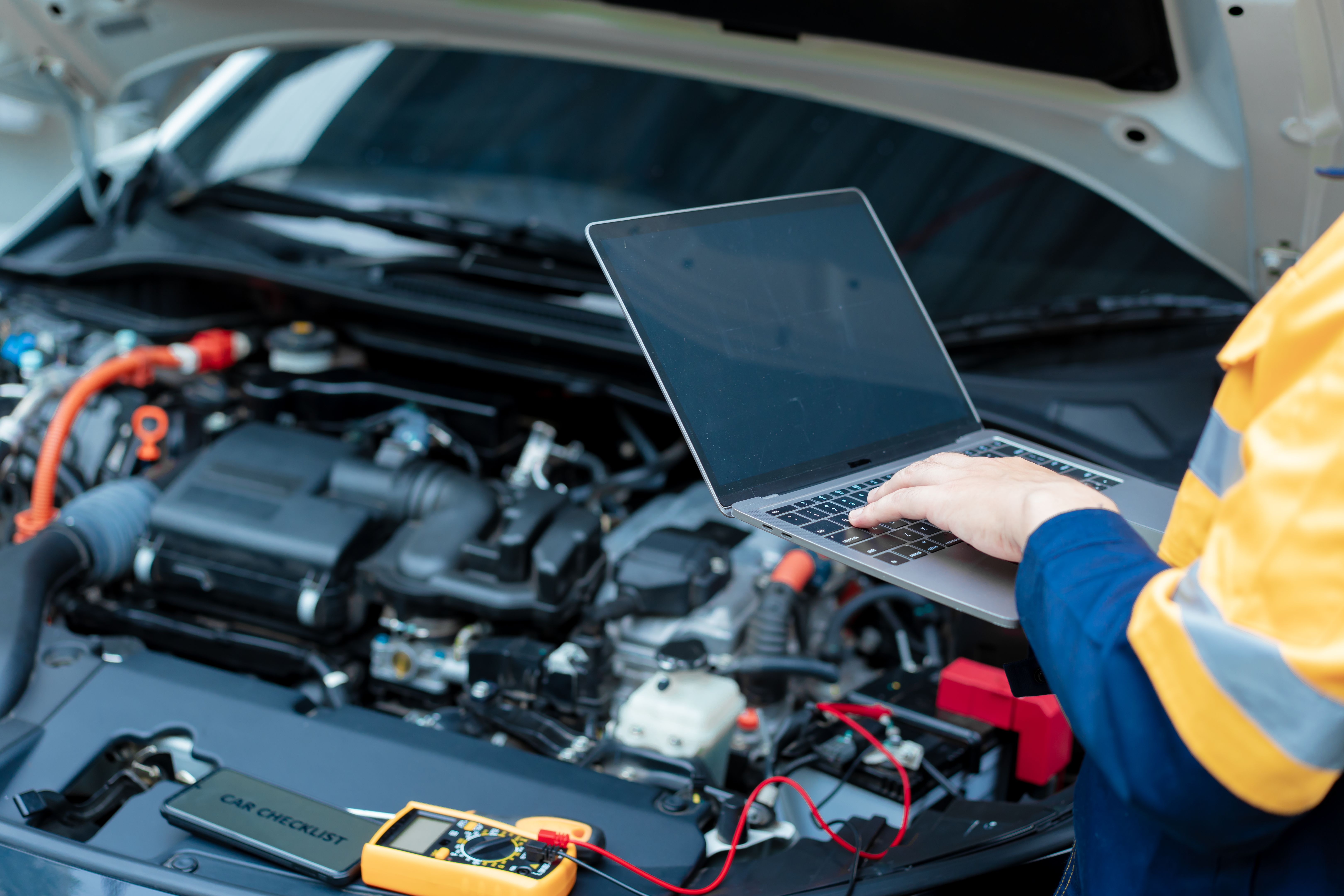
Your car's battery is the heart of the electrical system, providing the necessary power to start the engine. In winter, cold temperatures can reduce a battery's effectiveness, making it harder to start the car. Regular checks and maintenance can prevent unexpected failures.
Consider the following tips to maintain your battery:
- Test the battery: Use a multimeter to check the voltage. A healthy battery should read around 12.6 volts when the engine is off.
- Clean the terminals: Corrosion can impede the battery's connection. Clean the terminals with a mixture of baking soda and water.
- Check for leaks: Inspect for any signs of leakage or damage and replace if necessary.
Ensure the Alternator is Functioning
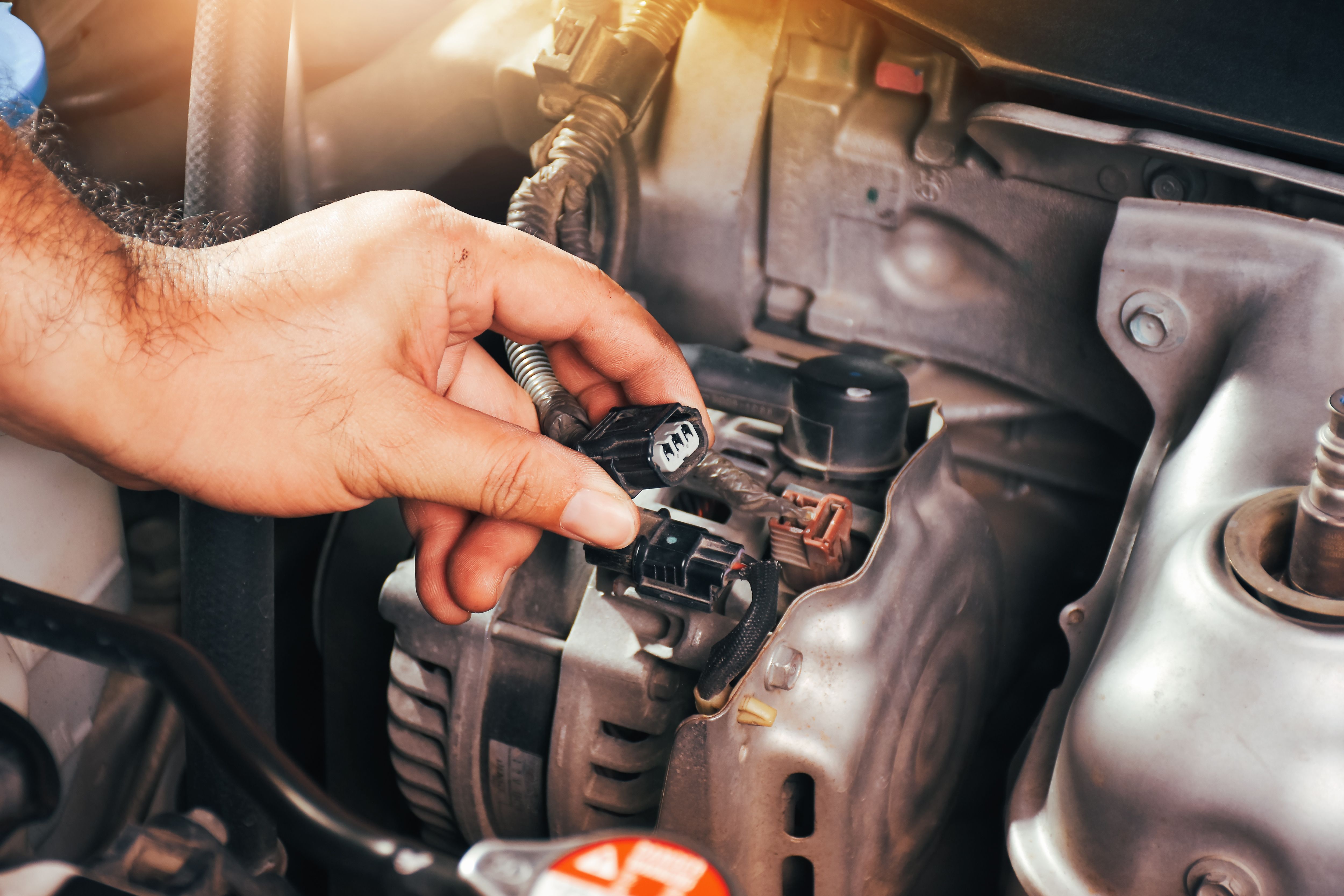
The alternator charges the battery and powers the electrical system when the engine is running. If the alternator isn't performing well, it could lead to a drained battery and a stranded vehicle during a cold Bristol morning.
Signs of a failing alternator include dimming headlights, unusual noises, or a warning light on the dashboard. If you notice any of these symptoms, it's advisable to have a professional inspect the alternator.
Inspect the Starter Motor
The starter motor is responsible for cranking the engine and getting your car started. In colder temperatures, the oil thickens, making it harder for the starter motor to turn the engine over. Ensuring the starter motor is in good condition can prevent starting issues during winter.
Listen for unusual sounds when starting the car, such as grinding or clicking noises, which may indicate a problem with the starter motor.
Check and Replace Worn Out Wiring
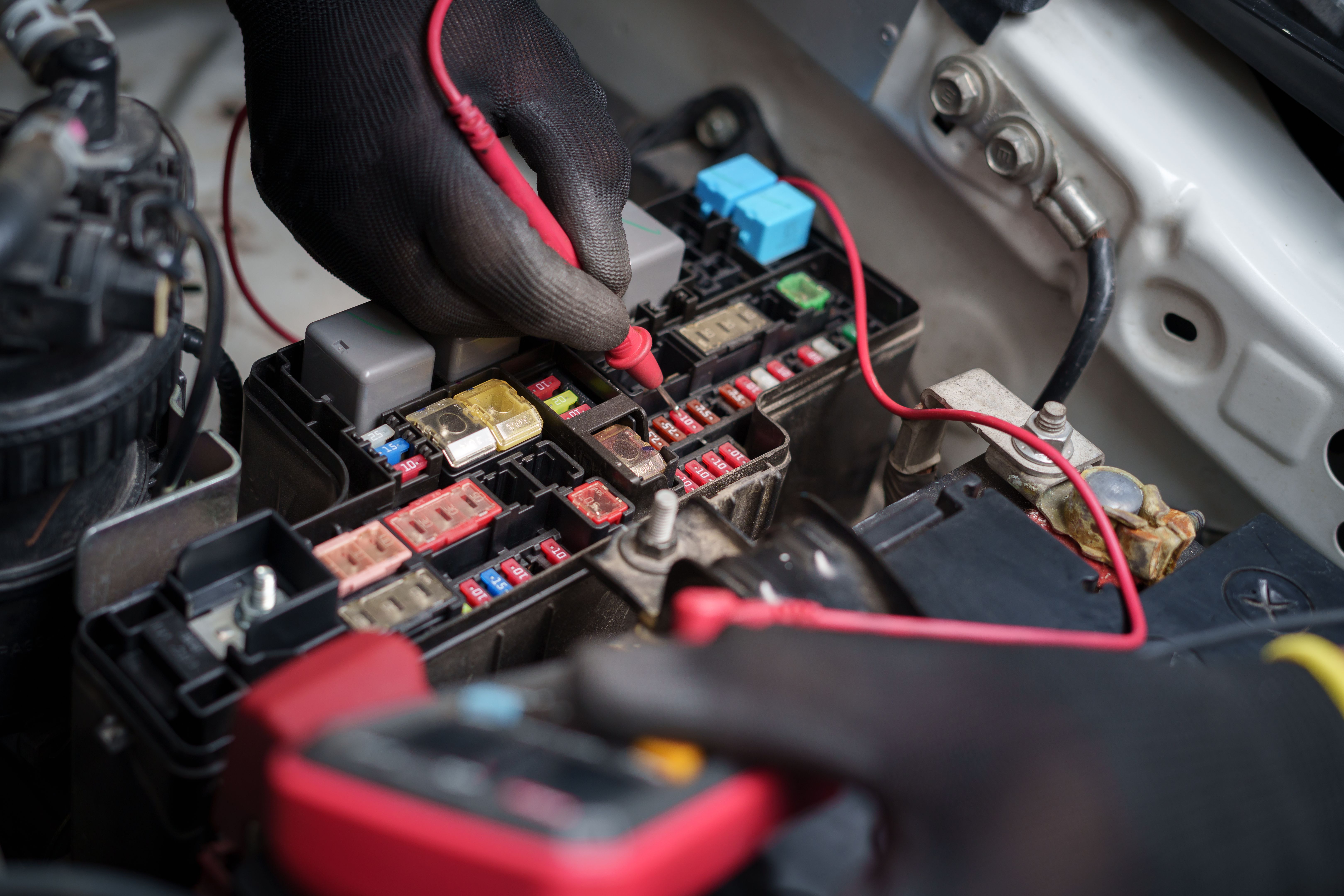
Winter can be harsh on your car’s wiring, particularly if there are already signs of wear and tear. Inspect the wiring for frayed or damaged areas, which could lead to electrical failures.
Replace any damaged wiring promptly to avoid issues with your car's electrical system during the colder months. Proper insulation and protection can extend the life of your wiring.
Test the Lights and Signals
Shorter days in winter mean you'll rely more on your car's lighting system. Ensuring all lights and signals are functioning correctly is essential for safety and visibility on Bristol's roads.
Check the headlights, brake lights, fog lights, and indicators. Replace any burnt-out bulbs and clean the lenses to ensure maximum brightness. Consider upgrading to LED bulbs for better performance and efficiency.
Protect Your Car Against Moisture
Moisture is a common issue during winter, potentially leading to electrical problems. Keep your car dry by ensuring seals around doors and windows are intact and consider using moisture-absorbing products inside the vehicle.
Regularly check for water ingress in the cabin and boot area, as dampness can lead to electrical faults and unpleasant odors.

Conclusion
Preparing your car's electrical system for winter in Bristol involves regular checks and maintenance of the battery, alternator, starter motor, and wiring. By taking these steps, you can ensure your vehicle is ready for the demands of the colder months, providing reliable and safe transportation throughout the winter season.