DIY Vehicle Electrical Troubleshooting: What to Try Before Calling a Specialist


As a vehicle owner, encountering electrical issues can be frustrating and inconvenient. However, before you rush to call a specialist, there are several troubleshooting steps you can take yourself. This DIY guide will help you identify and possibly resolve some common electrical problems in your vehicle.
Understanding the Basics
Before diving into troubleshooting, it’s essential to have a basic understanding of your vehicle’s electrical system. The main components include the battery, alternator, and fuses. Familiarizing yourself with these elements will make troubleshooting much easier.

The **battery** is the heart of the vehicle’s electrical system. It provides the initial power needed to start the engine. The **alternator** recharges the battery and powers the electrical systems when the engine is running. **Fuses** protect the electrical system from overloads.
Checking the Battery
One of the first things to check when facing electrical issues is the battery. Here’s how you can inspect it:
- Visual Inspection: Look for any corrosion on the battery terminals. Clean them with a mixture of baking soda and water if needed.
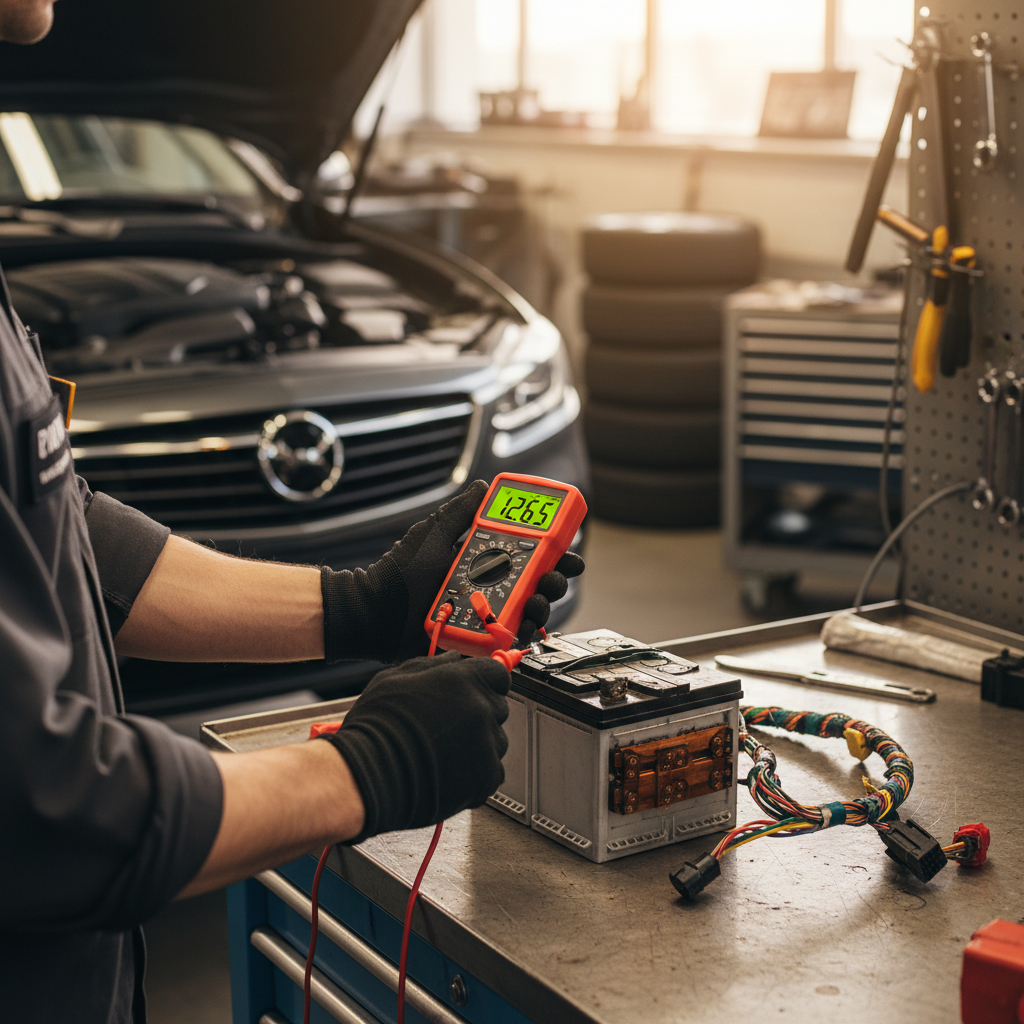
- Voltage Test: Use a multimeter to check the battery voltage. A fully charged battery should read around 12.6 volts. If the voltage is low, the battery may need charging or replacement.
Inspecting the Fuses
If the battery seems fine, the next step is to check the fuses. A blown fuse can cause certain electrical components to stop working.
- Locate the fuse box, usually found under the dashboard or hood.
- Use the diagram on the fuse box cover to identify the specific fuse linked to the malfunctioning component.
- Inspect the fuse for a broken wire. Replace it with one of the same amperage if needed.
Alternator Troubleshooting
If both the battery and fuses are in good condition, the alternator might be the culprit. Here are some signs of a failing alternator:
- Dim lights
- Warning light on the dashboard
- Strange noises from the engine
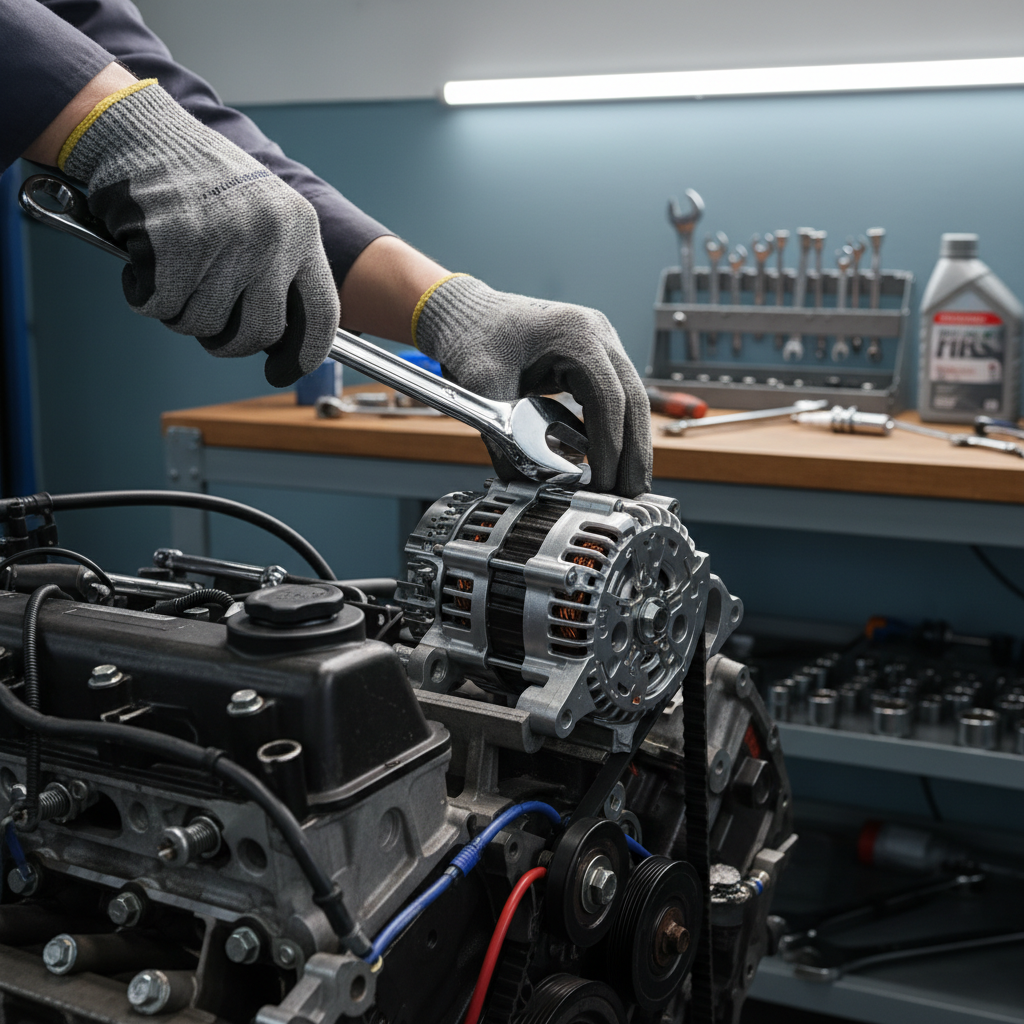
You can test the alternator by checking the battery voltage while the engine is running. If the voltage is not between 13.8 to 14.4 volts, the alternator might be failing.
Addressing Loose Connections
Loose or corroded connections can cause various electrical issues. Ensure all electrical connections are secure and free from corrosion. Pay special attention to the battery cables and ground connections.
When to Call a Specialist
While DIY troubleshooting can resolve many issues, some problems might require professional expertise. If you cannot identify the issue, or if it involves complex components like the ECU, it’s best to consult a specialist. **Safety first**—never attempt repairs you are not comfortable with.