DIY Tips: Basic Auto Electrical Checks You Can Do at Home


Introduction to Auto Electrical Checks
Maintaining your vehicle's electrical system is crucial for ensuring its longevity and performance. While some tasks require a professional's touch, there are several basic checks you can perform at home. These DIY tips will help you identify potential issues before they become serious problems.

Essential Tools for Electrical Checks
Before diving into the checks, ensure you have the necessary tools. A basic toolkit should include a multimeter, a set of screwdrivers, and a wire brush. These tools will help you perform most basic checks easily and efficiently. Having a good-quality flashlight can also be handy for inspecting hard-to-see areas.
Battery Inspection and Maintenance
Your car's battery is the heart of its electrical system. Start by inspecting the battery terminals for corrosion, which can be cleaned with a wire brush. Ensure the battery is securely mounted and check the charge level with a multimeter. A healthy battery should read approximately 12.6 volts when the car is off.
Checking the Alternator
The alternator is responsible for charging the battery while the engine runs. To check its performance, start the vehicle and measure the voltage across the battery terminals. A functioning alternator should produce between 13.7 and 14.7 volts. If the readings fall outside this range, it may be time for a professional inspection.
Inspecting Fuses
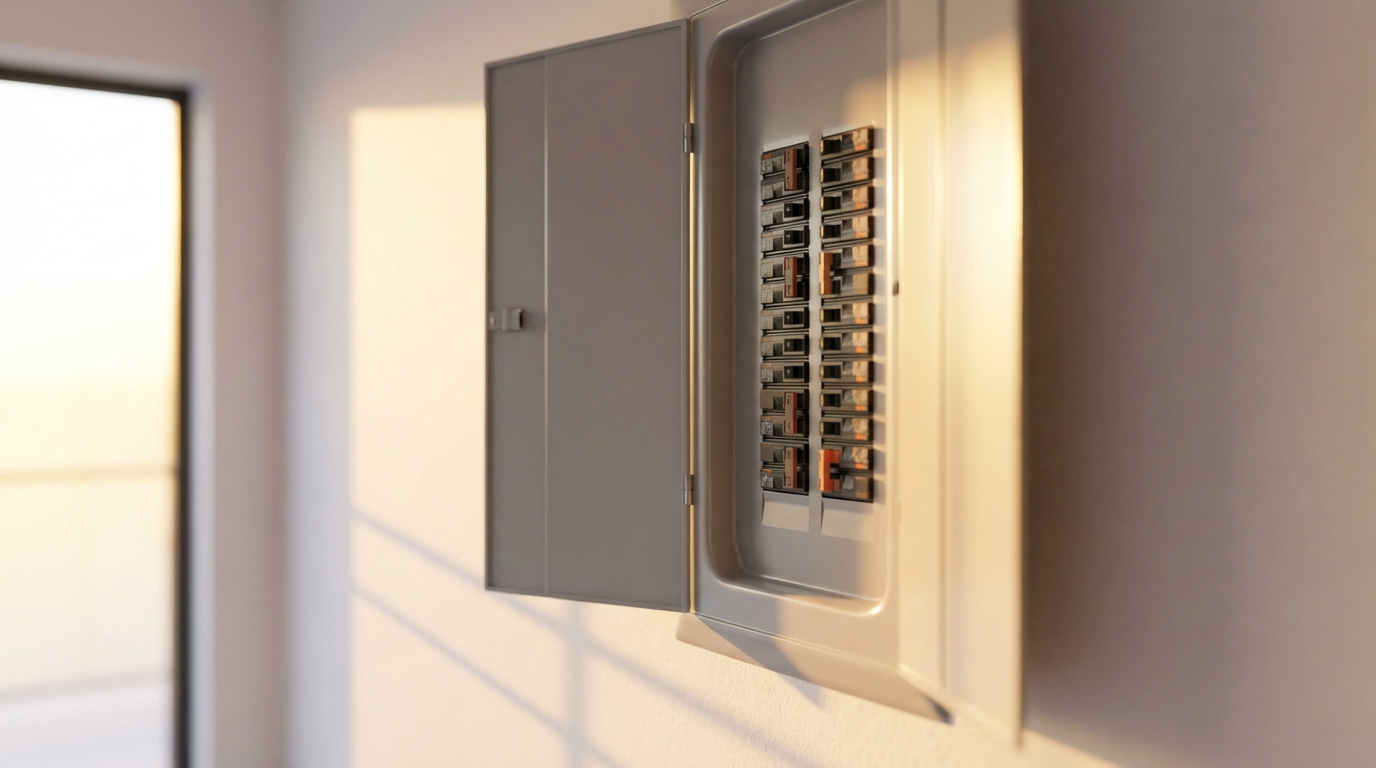
Fuses protect your vehicle's electrical circuits from overload. If an electrical component isn't working, a blown fuse might be the culprit. Locate the fuse box, often found under the dashboard or in the engine compartment, and use the diagram to identify the correct fuse. Replace any blown fuses with ones of the same rating.
Testing Lights and Signals
Functional lights and signals are vital for safety. Regularly check the headlights, brake lights, turn signals, and interior lights. If any bulbs are out, replace them promptly. Using a multimeter, you can also verify that the sockets are delivering the appropriate voltage to the bulbs.
Conclusion
Performing these basic electrical checks at home can save you time and money. By staying proactive, you can ensure your vehicle remains in good working order and avoid unexpected breakdowns. However, if you encounter any complex issues, it's always best to consult with a professional mechanic.