DIY Guide: Basic Auto Electrical Troubleshooting for Bristol Car Owners


Understanding the Basics of Auto Electrical Systems
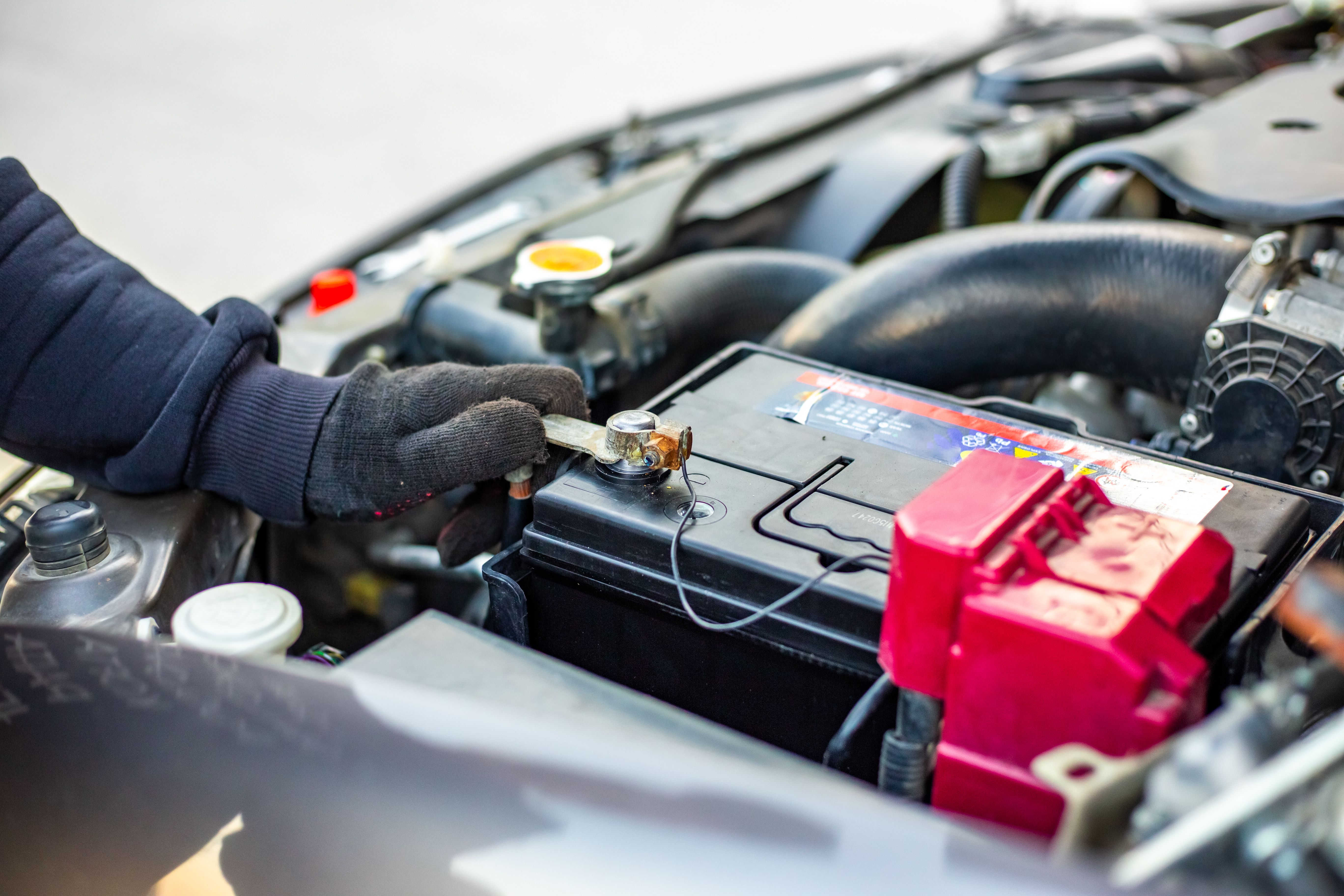
As a Bristol car owner, understanding the basics of your vehicle's electrical system can save you time and money. The electrical system is essential for starting your car, running accessories, and ensuring overall functionality. Key components include the battery, alternator, and starter motor. Familiarizing yourself with these parts can help you diagnose issues more effectively.
Common Electrical Issues and Symptoms
Car electrical problems can manifest in various ways. Some common symptoms include dim headlights, a dead battery, or an unresponsive ignition. Recognizing these signs early can prevent more severe issues down the line. If you experience flickering lights or strange noises when starting your car, it's time to investigate further.
Tools You Will Need
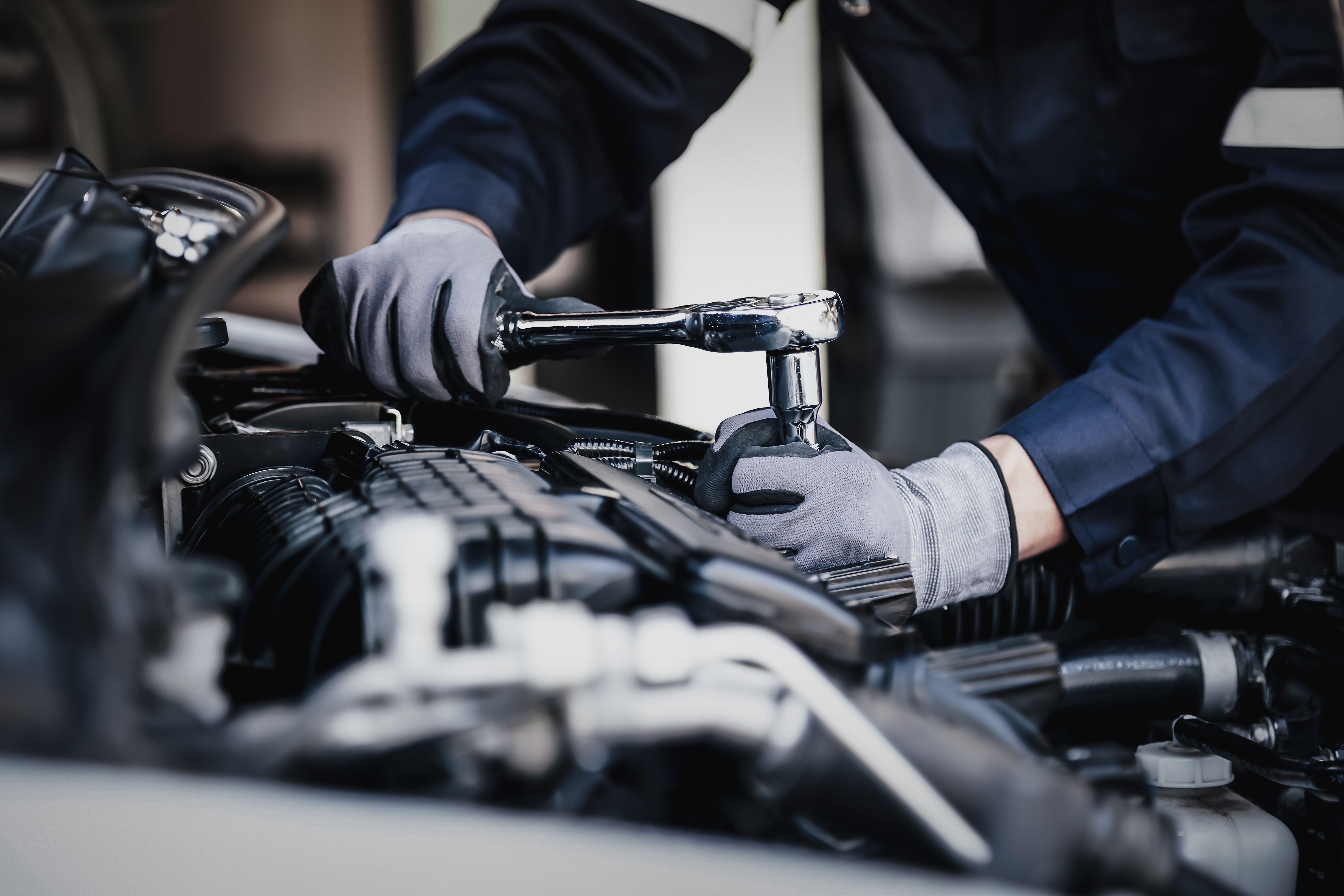
Before you begin troubleshooting, gather the necessary tools. A multimeter, wire tester, and basic hand tools like screwdrivers and pliers are essential. These tools will help you test electrical circuits and connections effectively. Always ensure your car is turned off and parked on a flat surface before starting any diagnostic work.
Step-by-Step Troubleshooting Guide
Follow these steps to identify and fix basic electrical issues:
- Check the Battery: Use a multimeter to test the battery voltage. A healthy battery should read around 12.6 volts when the engine is off.
- Inspect Fuses: Locate the fuse box and check for blown fuses. Replace any that are damaged to restore electrical function.
- Examine Wiring: Look for frayed or damaged wires. Repair or replace any faulty wiring you find.
Testing the Alternator
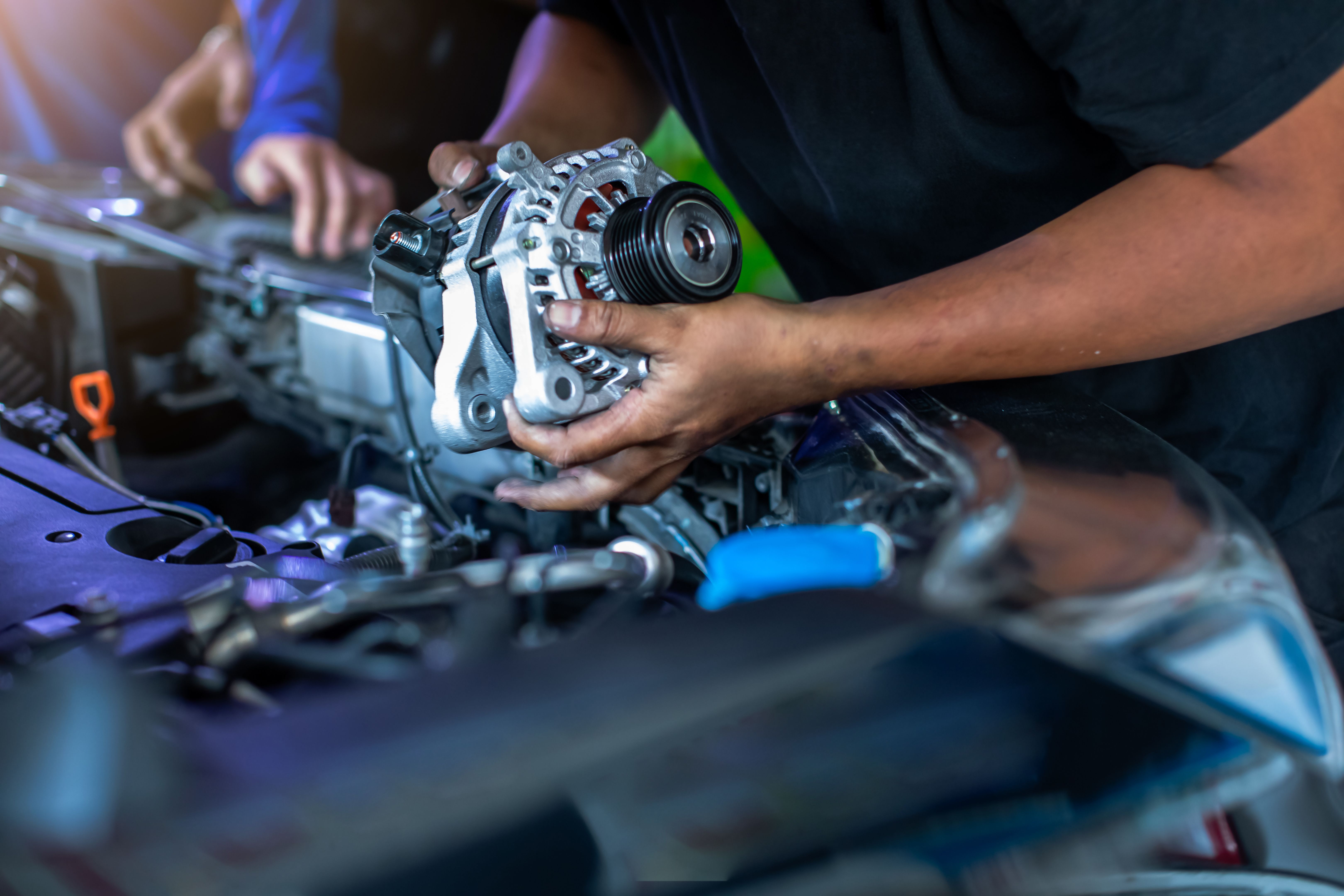
The alternator charges the battery while the engine runs. To test it, start the engine and measure the battery voltage again. It should read between 13.8 and 14.4 volts. If not, your alternator may need attention. An underperforming alternator can lead to a drained battery and other electrical issues.
Dealing with Starter Motor Problems
If your engine struggles to start, the starter motor may be the culprit. Listen for unusual sounds when turning the ignition. Clicking noises often indicate starter issues. Check the connections and ensure they are tight and free from corrosion. A faulty starter motor may require professional replacement.
Safety First!
When working with your car's electrical system, safety is paramount. Always disconnect the battery before performing any repairs to prevent electric shock. Wear protective gear and work in a well-ventilated area to avoid inhaling fumes from the battery or other components.

When to Seek Professional Help
While many electrical issues can be resolved with basic troubleshooting, some problems require professional expertise. If you're unable to identify the issue or feel uncomfortable performing repairs, consult a qualified mechanic. They have the tools and experience needed to handle complex electrical problems safely.
By following this guide, Bristol car owners can tackle basic auto electrical troubleshooting with confidence. Regular maintenance and prompt attention to electrical issues will keep your vehicle running smoothly and efficiently.