DIY Car Electrical Troubleshooting: Common Issues and Solutions


Understanding Your Car's Electrical System
The electrical system in your car is a complex network that powers everything from your headlights to your ignition. Understanding the basics can help you troubleshoot common issues and potentially save you a trip to the mechanic. This guide will help you identify and solve some of the most frequent electrical problems in vehicles.
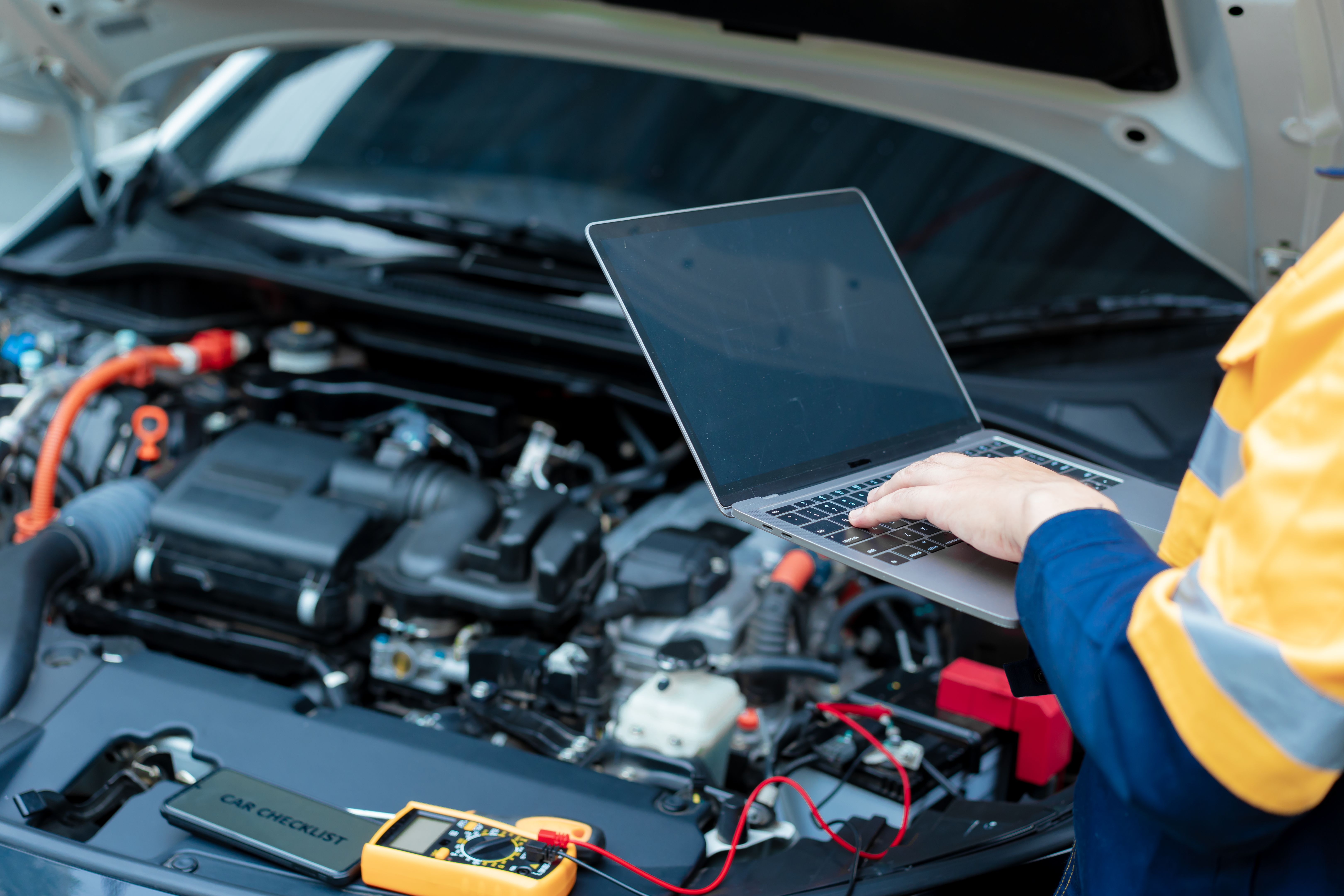
Common Electrical Issues
Dead Battery
A dead battery is often the first issue car owners encounter. If your car won’t start, the lights are dim, or you hear a clicking sound when turning the key, your battery might be the culprit. Ensure that the battery terminals are clean and securely connected. If the battery is old, consider replacing it.
Faulty Alternator
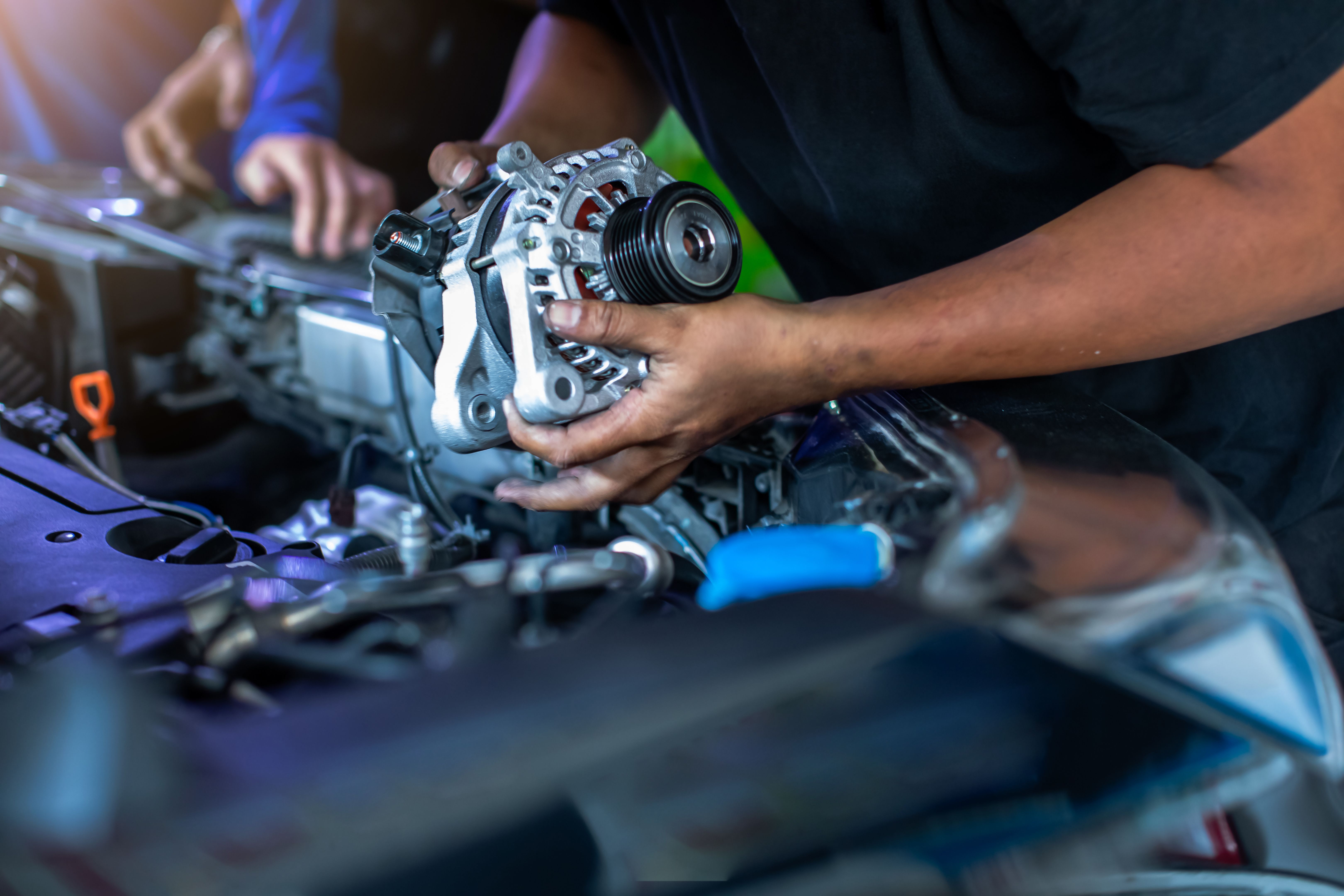
The alternator charges your battery while the car is running. A malfunctioning alternator can lead to a drained battery. Signs of a faulty alternator include dimming lights and a dead battery. Testing the alternator output with a multimeter can confirm the issue.
Lighting Issues
Dim or Flickering Headlights
If your headlights are dim or flickering, it could be due to a weak battery, corroded connections, or a failing alternator. Inspect the headlight bulbs and connections for any signs of damage. Replacing worn-out bulbs or cleaning corroded terminals can often resolve the issue.
Non-Functional Interior Lights
Interior lights not working can be due to blown fuses or faulty switches. Check the fuse box for any blown fuses and replace them if necessary. If the problem persists, inspect the light switch and wiring for potential issues.

Electrical Wiring Problems
Short Circuits
Short circuits occur when wires are exposed or damaged, causing a connection where there shouldn’t be one. This can lead to blown fuses and unexpected electrical behavior. Inspect wiring harnesses for visible damage and use electrical tape or heat shrink tubing to repair minor issues.
Faulty Ground Connections
Ground connections are crucial for the proper functioning of your car's electrical system. A faulty ground can cause various electrical problems. Inspect grounding points for corrosion or loose connections and clean or tighten them as needed.
Tools for DIY Troubleshooting
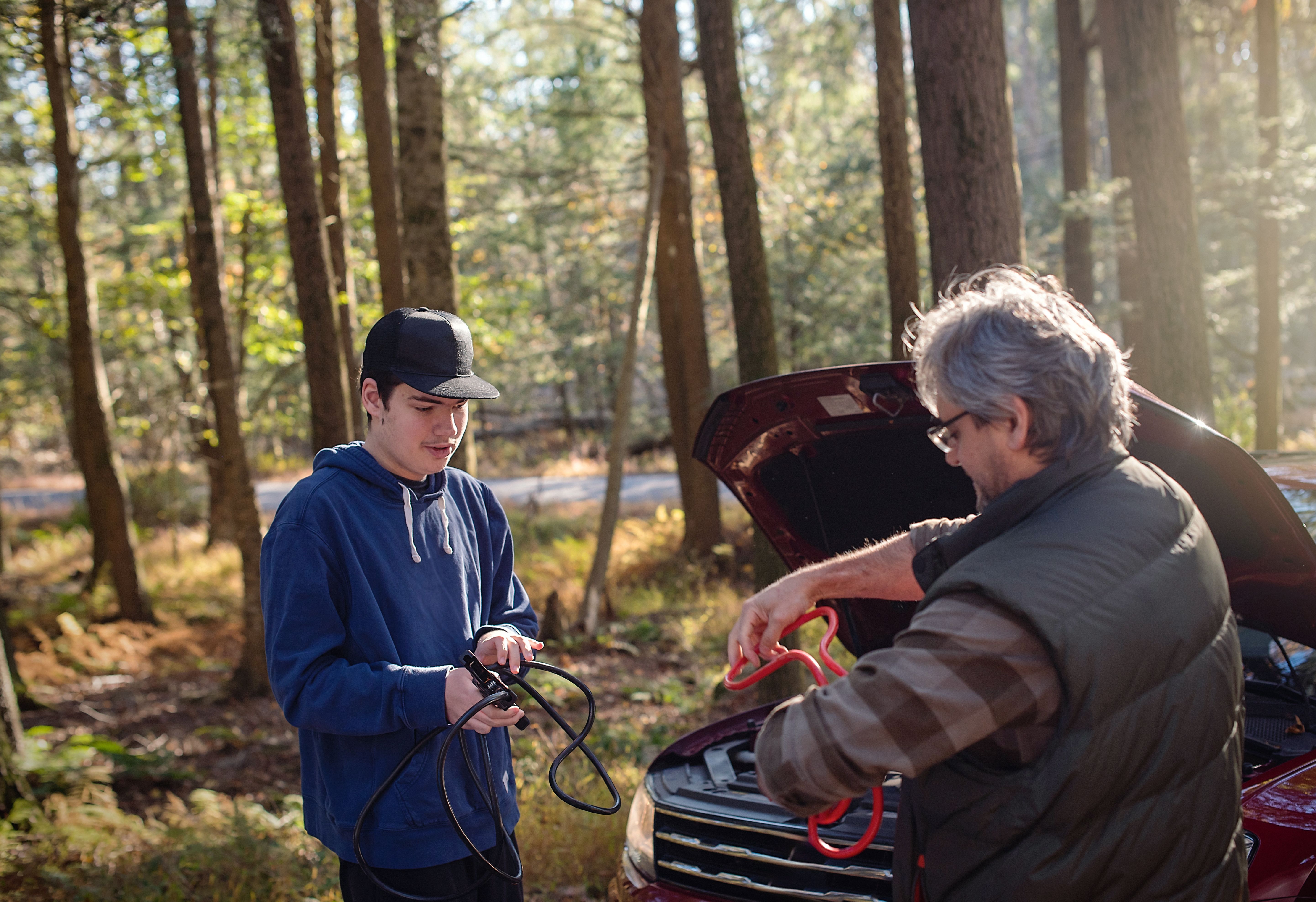
Having the right tools can make diagnosing electrical issues much easier. A multimeter is essential for checking voltage and continuity. Additionally, a set of screwdrivers, pliers, and a wire stripper can be useful for making repairs. Investing in a repair manual for your specific car model can also provide valuable insights.
When to Seek Professional Help
While DIY troubleshooting can resolve many electrical issues, some problems may require professional assistance. If you're unable to identify the issue or feel uncomfortable making repairs, it's best to consult a certified mechanic. They have the expertise and tools needed to handle more complex electrical problems safely.