DIY Car Battery Maintenance: Tips from Bristol’s Auto Electrical Experts


Maintaining your car battery is essential for ensuring your vehicle runs smoothly and reliably. Proper maintenance can help extend the life of your battery and prevent unexpected breakdowns. In this guide, we’ll share expert tips from Bristol’s auto electrical specialists on DIY car battery maintenance.
Understanding Your Car Battery
The car battery is a critical component that provides the electrical power needed to start the engine and operate accessories. Understanding the basics of how your battery works can help you maintain it more effectively. A typical car battery is a rechargeable lead-acid battery, and its performance can be affected by various factors, including temperature and usage patterns.
Regular checks and maintenance can help prevent issues such as corrosion, which can lead to poor performance. It’s important to be proactive in caring for your battery to ensure it remains in good condition.

Essential Tools for Battery Maintenance
Before you begin, gather the necessary tools for battery maintenance. Having the right tools can make the process easier and safer. Here’s what you’ll need:
- Safety gloves and goggles
- Wrench or pliers
- Baking soda and water solution
- Wire brush
- Battery terminal protector
These tools will help you clean and maintain your battery effectively, ensuring it remains in top condition.
Inspecting and Cleaning Your Battery
Regular inspection is key to maintaining your car battery. Start by checking for any signs of corrosion on the battery terminals. Corrosion appears as a white, powdery substance and can hinder the battery’s performance.
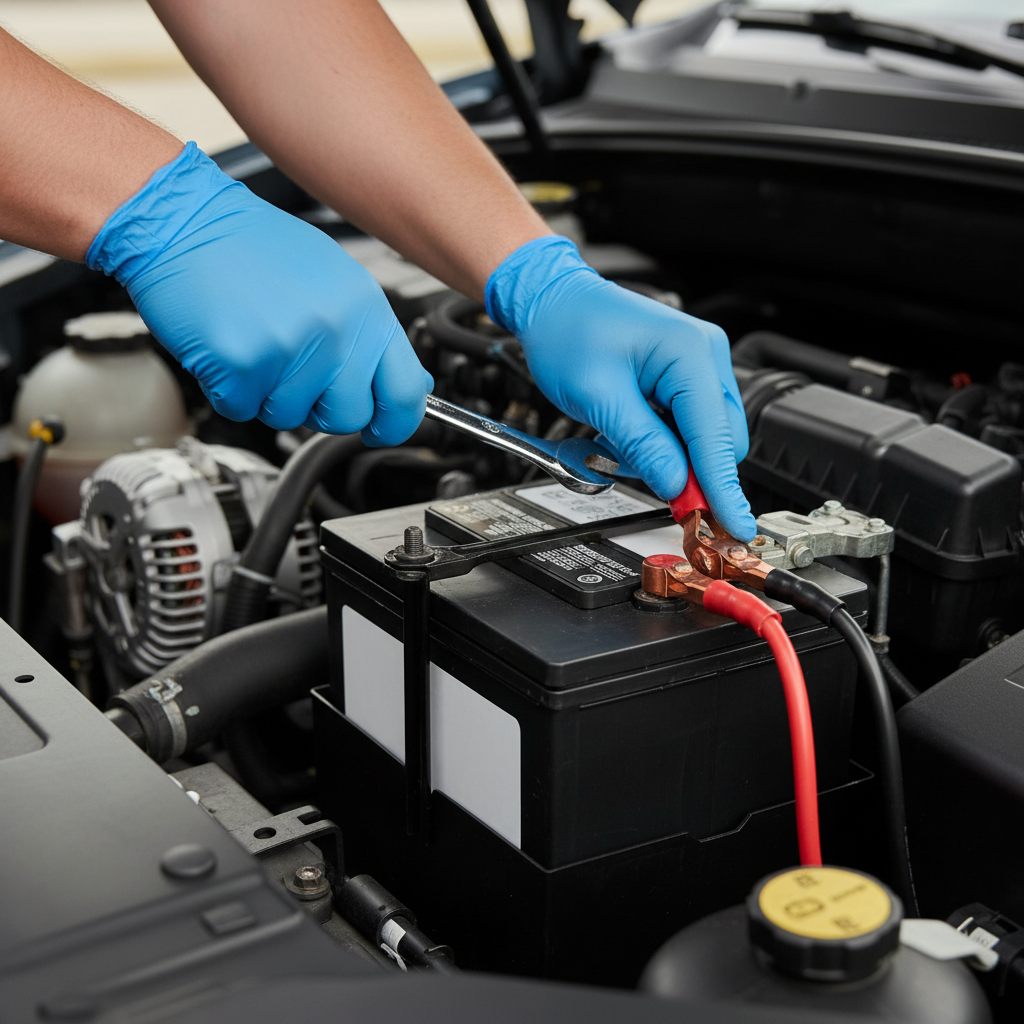
To clean the terminals, disconnect the battery cables, starting with the negative cable. Use a mixture of baking soda and water along with a wire brush to scrub away the corrosion. Rinse with water and dry thoroughly. Finish by applying a battery terminal protector to prevent future corrosion.

Checking Battery Fluid Levels
For batteries that require maintenance, it’s important to check the fluid levels regularly. Low fluid levels can lead to poor battery performance and a shorter lifespan. Carefully remove the caps and check that the fluid covers the lead plates inside. If necessary, top up with distilled water.
Be sure to wear protective gear when handling battery fluids, as they can be hazardous. Regular checks will ensure your battery remains in optimal working condition.
Testing Battery Voltage
A crucial part of battery maintenance is testing the voltage to ensure it’s holding a charge properly. You can use a multimeter to perform this test. Set the multimeter to measure DC volts and connect the probes to the battery terminals. A fully charged battery should read around 12.6 volts or higher.
If the voltage is significantly lower, it may be time to charge the battery or consult a professional for further diagnosis.
When to Seek Professional Help
While DIY maintenance can help keep your battery in good shape, there are times when professional help may be necessary. If you notice persistent issues such as frequent discharges, difficulty starting the car, or swelling of the battery case, it’s best to consult an auto electrical expert.
Professionals can perform more in-depth diagnostics and recommend whether a battery replacement is needed. Regular professional check-ups can also complement your DIY efforts and ensure your vehicle’s electrical system remains reliable.
By following these tips from Bristol’s auto electrical experts, you can keep your car battery in excellent condition and avoid unexpected breakdowns. Regular maintenance not only extends the life of your battery but also enhances the overall performance of your vehicle.