Common Myths About Car Battery Replacement Debunked


Understanding Car Battery Replacement
When it comes to maintaining your vehicle, one essential component often overlooked is the car battery. There are several myths surrounding car battery replacement that can lead to confusion and unnecessary expenses. In this post, we'll debunk some of the most common misconceptions to help you make informed decisions.
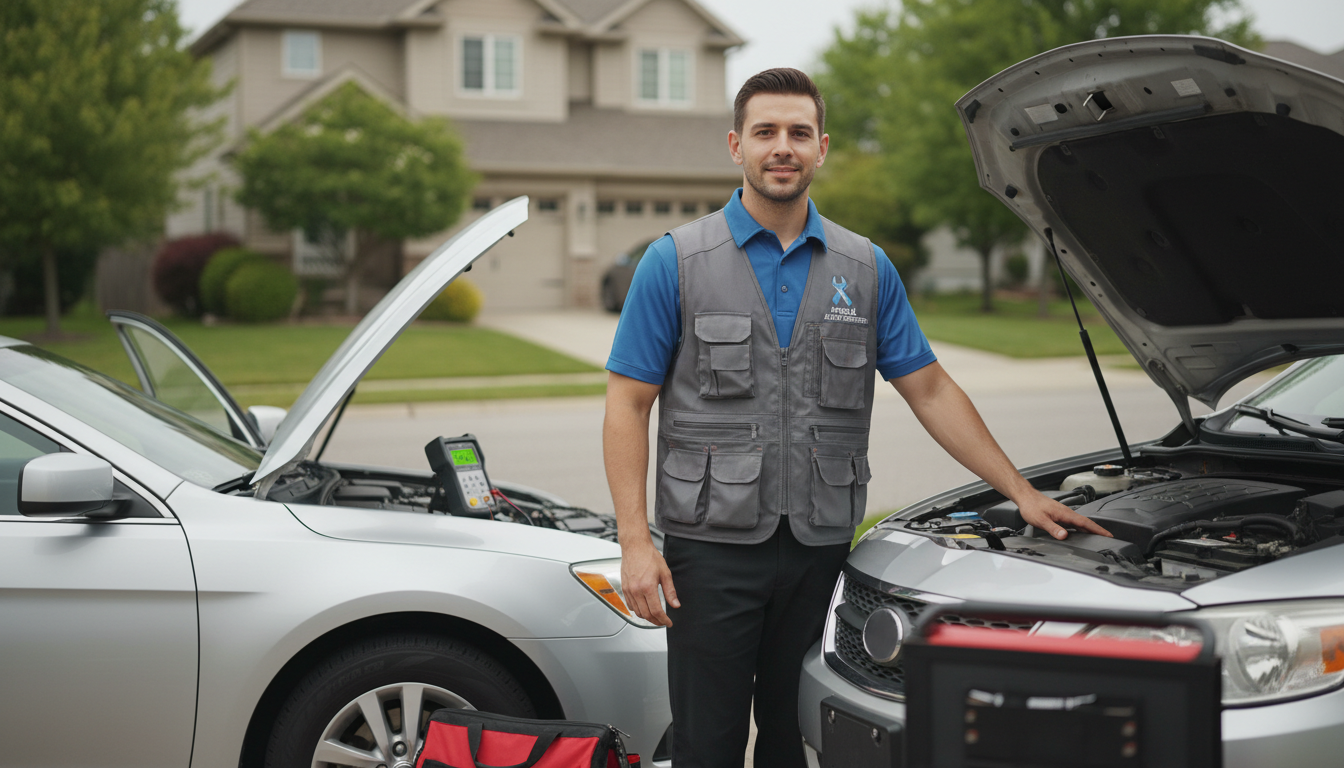
Myth 1: All Car Batteries Are the Same
Many people believe that all car batteries are identical and that any battery will work as long as it fits in the vehicle. This is far from the truth. Car batteries come in different sizes, capacities, and technologies. It's crucial to choose a battery that matches your vehicle's specifications to ensure optimal performance and longevity.
For instance, selecting a battery with the wrong capacity can lead to frequent breakdowns or reduced lifespan. Always refer to your vehicle's manual or consult a professional to find the right battery type.
Myth 2: You Only Need to Replace a Battery When It Dies
Waiting for your car battery to die before replacing it can be inconvenient and potentially dangerous. Batteries can fail unexpectedly, leaving you stranded. It's advisable to replace your battery every three to five years, depending on usage and climate conditions.
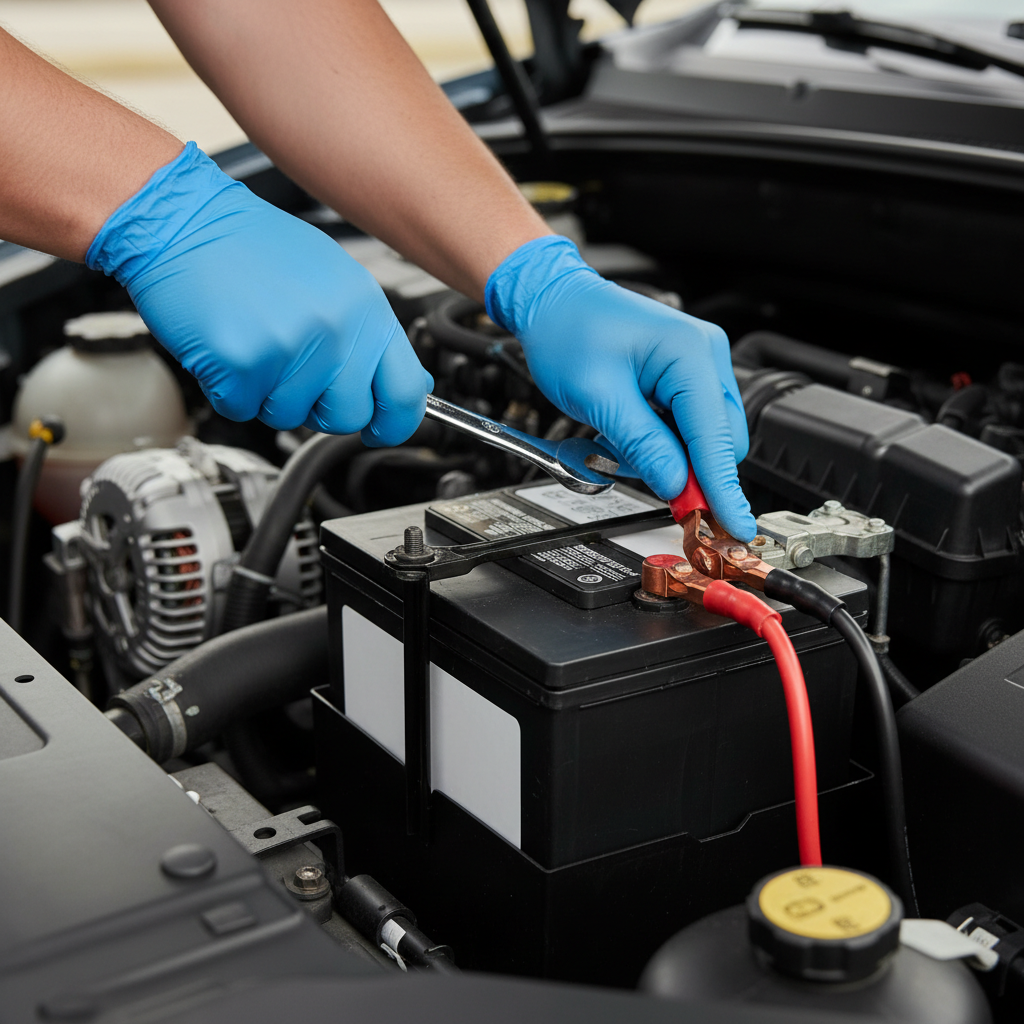
Regular maintenance checks can help you detect signs of battery wear and tear. Look for indicators like slow engine crank, dim lights, or warning messages on your dashboard to know when it's time for a replacement.
Myth 3: Hot Weather Is Not Harmful to Car Batteries
While many believe that cold weather is the primary culprit behind battery failures, hot weather can be just as damaging. High temperatures can accelerate the chemical reaction inside the battery, causing it to degrade faster.
To protect your battery from heat damage, park in shaded areas or use a car cover, and ensure your engine's cooling system is functioning correctly. Regular checks during summer months can save you from unexpected failures.
Myth 4: DIY Battery Replacement Is Always Safe
Replacing a car battery might seem straightforward, but it requires caution. Mishandling can lead to short circuits, acid leaks, or even injury. If you're not experienced or comfortable with the process, it's best to leave it to professionals.
When replacing a battery yourself, always wear protective gear, work in a well-ventilated area, and follow the manufacturer's instructions carefully.
Conclusion
Understanding and debunking these myths can help you maintain your car battery effectively and avoid unnecessary hassles. Regular checks, proper maintenance, and timely replacements can ensure that your vehicle runs smoothly and reliably.
Stay informed and consult with professionals when in doubt to keep your car's electrical system in top condition.