Case Study: Solving Complex Electrical Problems in Modern Cars


Understanding the Complexity of Modern Automotive Electrical Systems
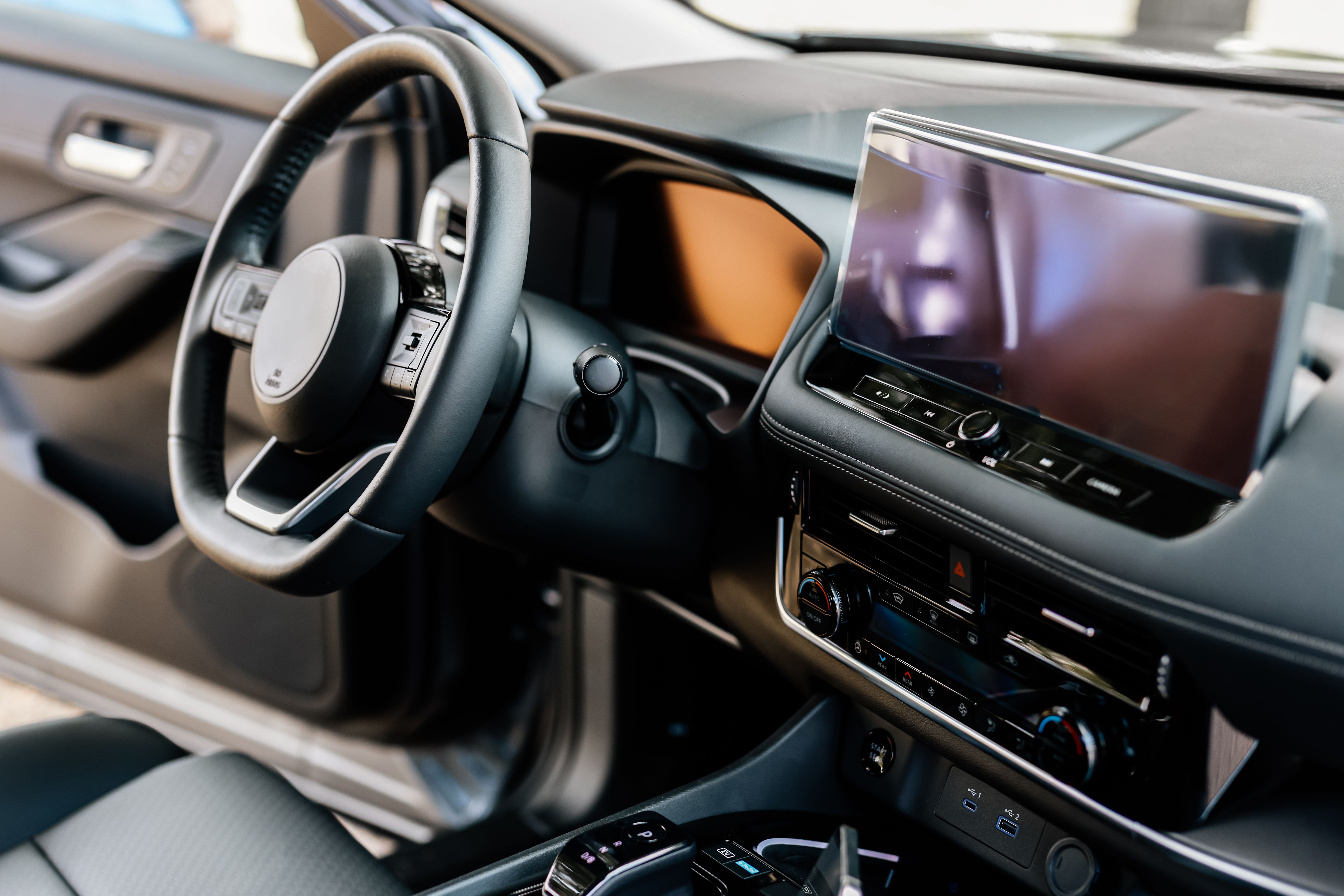
Modern vehicles are equipped with intricate electrical systems that enhance safety, performance, and comfort. These systems are a network of sensors, processors, and actuators that work together seamlessly. However, the complexity of these systems can sometimes lead to challenging electrical problems that require specialized knowledge to diagnose and repair.
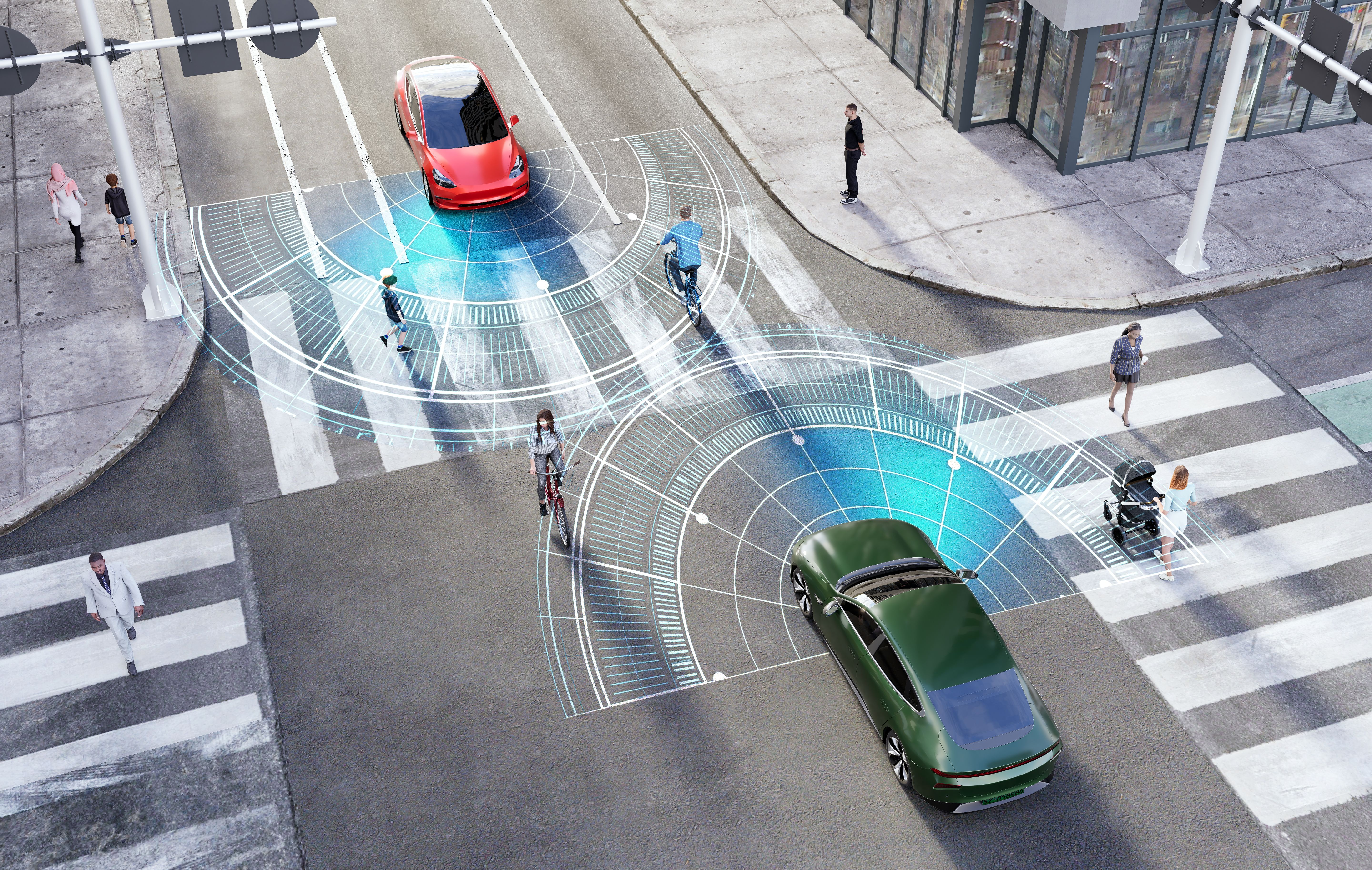
The increasing demand for advanced features such as autonomous driving, adaptive cruise control, and infotainment systems has further complicated the electrical architecture of cars. Understanding how these systems interact and diagnosing issues when they arise is crucial for automotive professionals.
Common Electrical Problems in Modern Cars
Battery and Charging System Issues
One of the most prevalent issues in modern vehicles is related to the battery and charging system. Problems can arise from a failing alternator, poor battery connections, or simply an old battery reaching the end of its lifespan. These issues can lead to unexpected breakdowns and require immediate attention to prevent further damage.
Faulty Sensors and Wiring
Sensors play a vital role in modern cars, monitoring everything from engine performance to vehicle stability. Faulty sensors or damaged wiring can lead to incorrect data being sent to the car's computer, resulting in poor performance or system failure. Diagnosing these problems often requires specialized diagnostic tools.
Innovative Solutions for Electrical Problems
Advanced Diagnostic Tools
To effectively solve complex electrical problems, automotive technicians rely on advanced diagnostic tools. These tools can read and interpret data from a car's computer system, allowing technicians to pinpoint issues quickly and accurately. Investing in the latest diagnostic technology is essential for any automotive repair shop.
Training and Expertise
Having skilled technicians who are well-versed in modern automotive technology is crucial. Continuous training ensures that mechanics stay up-to-date with the latest advancements and are equipped to handle any electrical problems that may arise. This expertise not only improves repair efficiency but also enhances customer satisfaction.
Preventive Measures for Car Owners
Car owners can play a role in preventing electrical problems by adhering to regular maintenance schedules. Regular inspections of the battery, wiring, and sensors can help catch potential issues before they become serious. Keeping software systems updated is also vital to ensure optimal performance.
- Regular battery checks and maintenance
- Inspecting and cleaning electrical connections
- Updating vehicle software
Conclusion
Solving complex electrical problems in modern cars requires a blend of advanced tools, skilled technicians, and proactive maintenance. By understanding the nature of these challenges and implementing effective solutions, automotive professionals can ensure that vehicles remain reliable and efficient. As technology continues to evolve, staying ahead of the curve will be essential for those in the automotive industry.